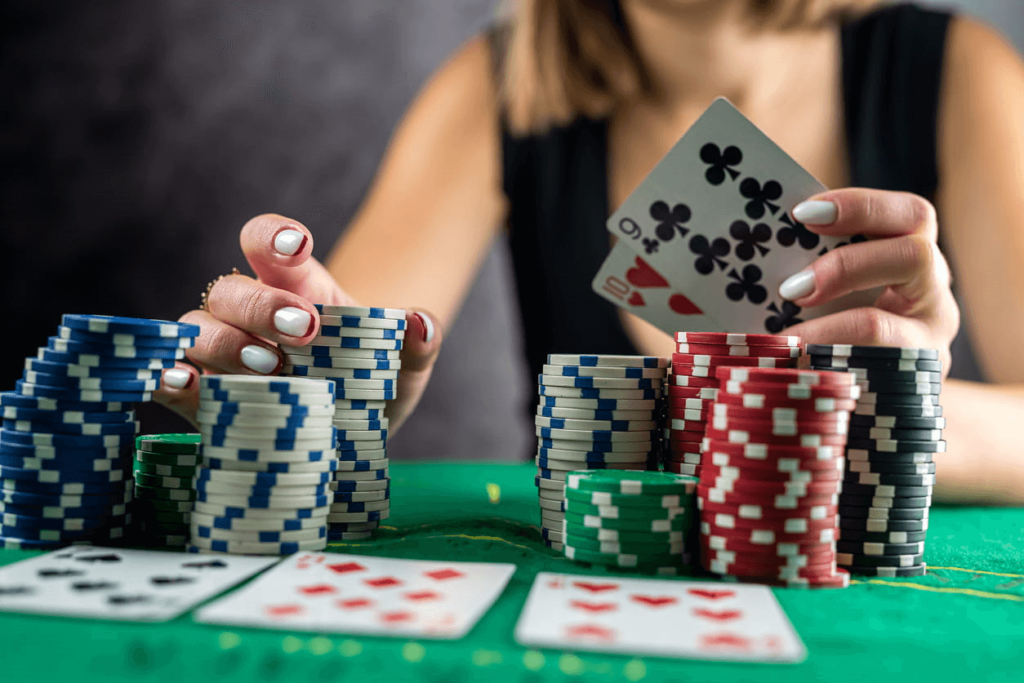
The Nature of Luck in Gambling
Luck is often considered a central element in determining the outcomes of various games played in casinos, and players often seek out platforms that offer enticing features, such as ontario online casino fast withdrawal , to enhance their gaming experience. Games like slots, roulette, and blackjack are designed with inherent randomness, which means that players cannot predict the results with absolute certainty. This unpredictability is what keeps players coming back, hoping that fortune will favor them. Many players believe that luck is a skill that can be cultivated, leading to the notion that certain individuals possess a «lucky touch» that enhances their chances of winning.

Moreover, the concept of luck in gambling can blend with psychological factors. For instance, players may have superstitions or rituals that they believe can influence their luck. They might wear specific clothing, follow particular routines, or even choose specific time frames to play, convinced these actions will yield favorable outcomes. This intertwining of belief and psychology adds an extra layer to the role luck plays in casino success, influencing not just the odds, but also players’ attitudes and behaviors at the tables.
In addition, a player’s perception of luck can shift during the course of their gambling experience. While some may start on a winning streak, feeling uplifted and driven by positive emotions, others may experience the opposite, leading to frustration and poor decision-making. This fluctuation highlights that while luck is an undeniable part of gambling, a player’s mindset can also significantly affect their overall casino experience, reinforcing the complex relationship between chance and choice in this arena.
The Role of Probability in Casino Games
Every game in a casino is designed with a specific probability that defines the likelihood of winning. This mathematical underpinning means that, despite luck being a critical factor, players are also subject to the odds that the game presents. For example, in blackjack, the player’s decisions can influence their chances of success, yet they still rely heavily on the cards they receive, showcasing the intersection of skill and luck. Understanding these probabilities can give players a more informed perspective on their potential success.
Furthermore, the house edge plays a crucial role in shaping the outcomes and, consequently, how luck manifests in a casino setting. The house always has a statistical advantage over the players, meaning that while some may experience occasional wins, over time, the casino will always come out ahead. This reality emphasizes that reliance solely on luck is not a sustainable strategy for consistent success in gambling. Players need to be aware of these odds and the underlying mathematics to make more strategic decisions while playing.
Ultimately, knowing the probabilities allows players to balance their approach between luck and strategy. They can engage in games that favor skill over chance, such as poker, where understanding opponents and playing strategically can lead to success. Despite this, in many casino environments, the element of luck will always remain a relevant factor, influencing outcomes that are beyond the player’s control. This highlights the delicate dance between skill and luck, particularly in a realm where chance dictates so much of the experience.
Strategies to Improve Luck at Casinos
While it’s true that luck is an unpredictable force in gambling, players can adopt certain strategies to enhance their overall experience and potentially tilt luck in their favor. One effective strategy involves choosing games with better odds. Understanding which games offer the highest likelihood of winning can help players allocate their time and resources more effectively. For instance, games like baccarat and certain variations of poker tend to have better odds than slot machines or roulette, allowing players to maximize their chances of hitting a favorable outcome.
Additionally, players can improve their overall luck by managing their bankroll wisely. Setting limits on how much to wager and sticking to these limits can help players avoid the emotional roller coaster that often accompanies gambling. This clear financial framework allows players to enjoy the thrill of the casino without experiencing the anxiety that can come from overspending. Such financial discipline can lead to a more enjoyable experience, which in turn can foster a positive mindset—an often overlooked aspect of attracting good luck.
Building a network with other players can also enhance one’s casino experience. Sharing tips, strategies, and experiences not only fosters camaraderie but can also introduce novel approaches that players might not have considered before. Engaging with other gamblers can create an atmosphere of learning and growth, which can be beneficial in navigating the often unpredictable paths of luck in gambling.
The Psychological Aspect of Luck in Gambling
The psychological implications of luck play a significant role in how gamblers approach their games. Many players often chase the thrill of winning, leading them to engage in what’s known as «gambling fallacies.» This includes beliefs that past outcomes can influence future results—a misconception exemplified in the idea that a player is «due» for a win after a series of losses. This type of thinking can create a dangerous cycle, pushing players to bet larger amounts in hopes of reversing their fortune and often leading to greater losses instead.
Furthermore, the mindset of the player can greatly influence their perception of luck. A positive outlook may lead to better decision-making and a more enjoyable experience, while a negative one can cloud judgment and lead to hasty decisions. Casinos often capitalize on this by creating environments that are exciting and visually stimulating, which can amplify feelings of euphoria and potentially lead players to take risks they might otherwise avoid. The connection between atmosphere and mindset underscores the essential relationship between luck and psychological state.
Moreover, understanding emotions can help players better handle the ups and downs of gambling. Accepting that both wins and losses are part of the experience can help players maintain a balanced view. This acceptance fosters resilience, allowing players to engage in gambling with a healthier mindset and a clearer focus on enjoyment rather than solely on outcomes. Ultimately, mental fortitude and emotional intelligence play a significant role in navigating the unpredictable waters of luck at casinos.
Your Go-To Resource for Casino Insights
As you navigate the thrilling world of casinos, understanding the intricate dynamics of luck can significantly elevate your gaming experience. Whether you’re a seasoned player or a novice, having access to comprehensive insights about strategies, probabilities, and the psychological aspects of gambling can provide a framework for success. Wholesale access to such knowledge can empower players to make informed decisions and engage more effectively with the games they love.
The importance of staying informed about the latest trends and strategies in gambling cannot be overstated. By seeking reliable resources, players can enhance their understanding of how luck interacts with skill, enriching their overall experience. Engaging with informed communities, reading expert analyses, and exploring gaming strategies are paramount for anyone looking to optimize their chances of winning while enjoying the exhilarating atmosphere of casinos.
Ultimately, the intersection of luck, strategy, and psychology shapes your journey through the casino landscape. A well-rounded understanding of these elements, paired with an appreciation for the unpredictable nature of luck, can provide not only a path to potential success but also a deeply enjoyable gambling experience. Embrace the thrill, educate yourself continuously, and let the games begin!